Droid Survair

Precision DGPS Survey

Establishing Accurate Ground Control Points & Benchmarks

About The Technology

We at Droid Survair use the latest and best model of DGPS available in the market. Differential Global Positioning System (DGPS) survey is primarily used to fix Ground Control Points (GCPs) and Temporary Bench Marks (TBMs) for precise location referencing. Unlike standard GPS which offers 3-5m accuracy, our DGPS solutions deliver centimeter-level precision essential for high-quality engineering projects.

Advanced Equipment

Equipped with dual-frequency receivers capable of tracking multiple satellite constellations for robust data collection.

99% Accuracy

Achieve sub-centimeter accuracy for boundary marking and control points, far superior to traditional handheld GPS.

10x Faster Acquisition

Rapid RTK (Real-Time Kinematic) fixing allows us to cover large areas and establish multiple points in record time.

5x Faster Delivery

Streamlined post-processing workflows ensure you get your final reports and drawings significantly faster than industry standards.

Why Choose DGPS?

A technical comparison between Standard GPS and our DGPS Solution.

FeatureStandard GPSDroid Survair DGPS
Accuracy3 - 5 Meters1 - 2 Centimeters
Error CorrectionNone / Basic SBASDifferential Correction (Base Station)
ApplicationNavigation, General TrackingSurveying, Engineering, Boundary Marking
Vertical PrecisionLow (High Error)High Precision (Essential for Levels)

Our Technology

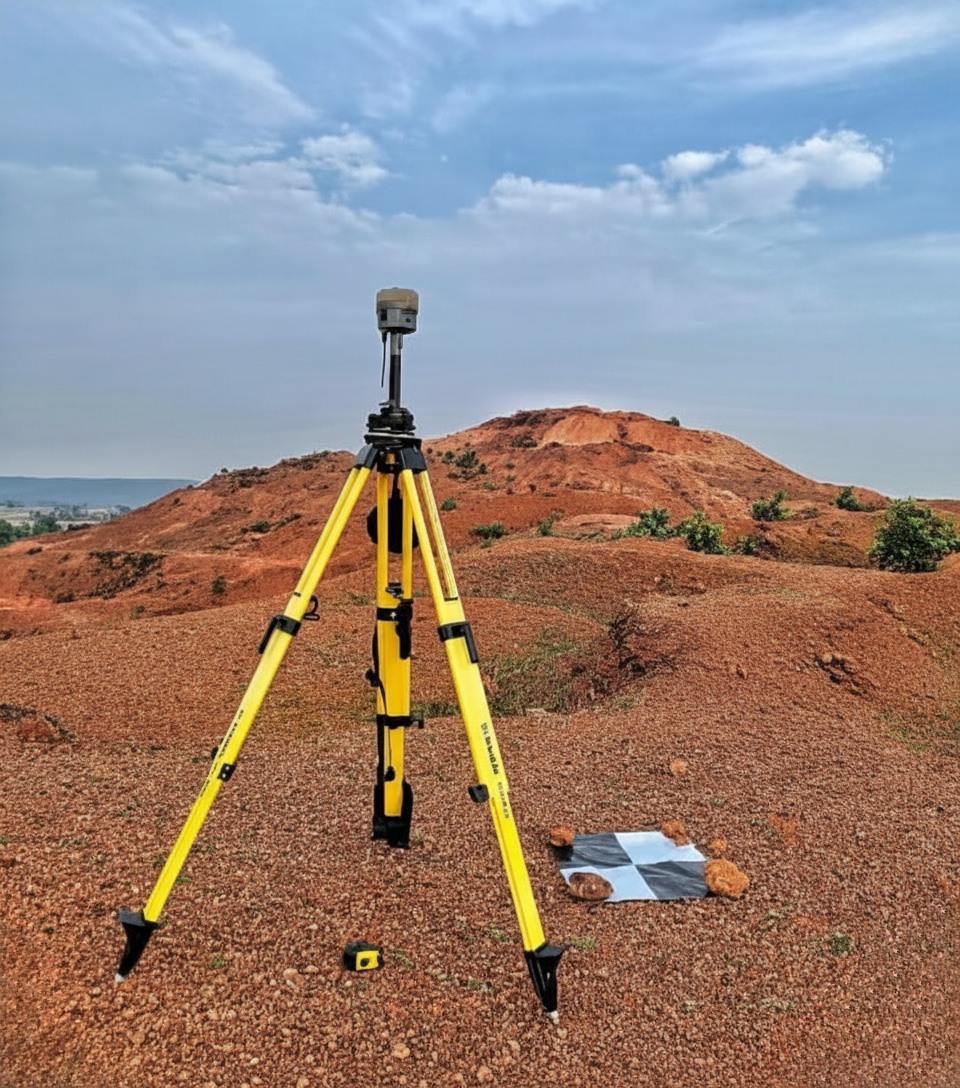
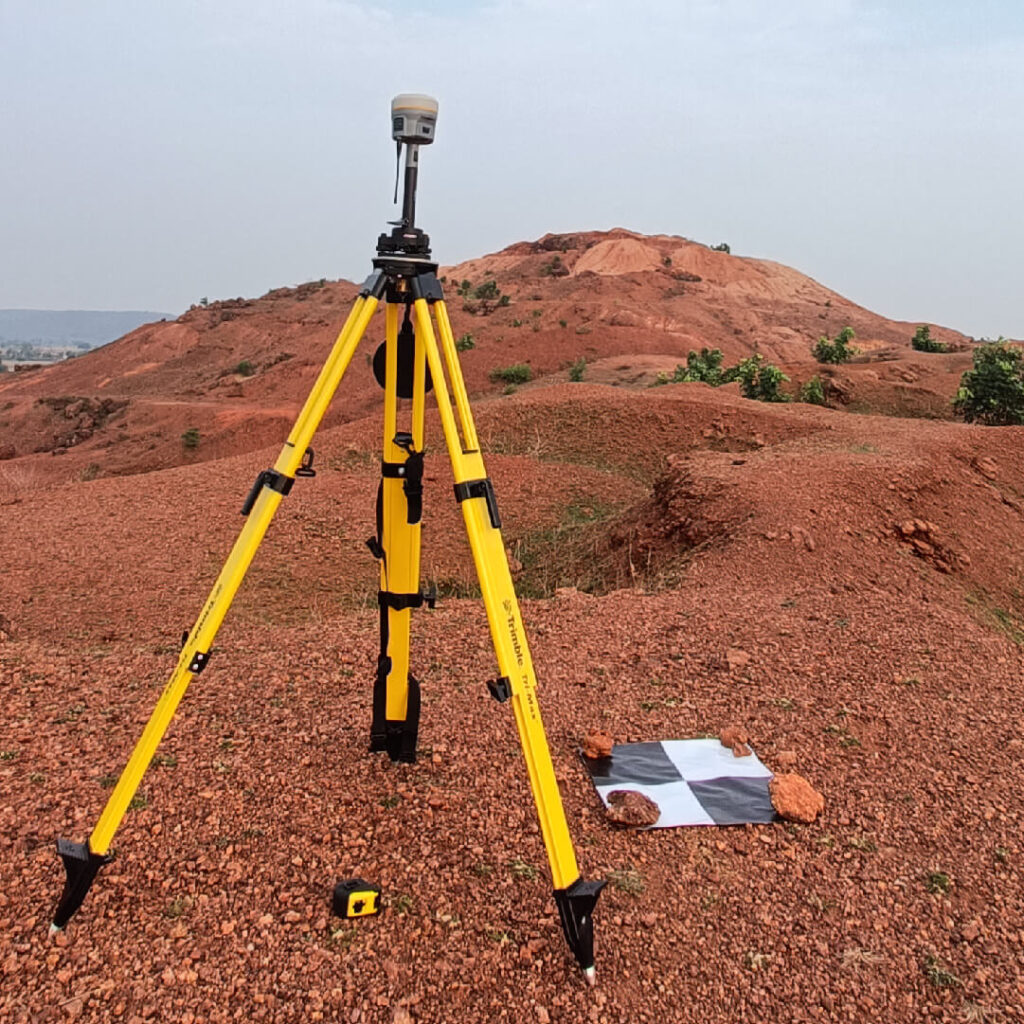
DGPS Base Station

Base Station

Provides static reference corrections.

State-of-the-Art Receivers

Our inventory includes industry-leading GNSS receivers that operate in the most challenging environments.

  • Multi-Constellation Support (GPS, GLONASS, Galileo)
  • Integrated UHF Radio for RTK
  • All-Day Battery Life for Remote Sites

Our Workflow

Signal Acquisition

Connecting to satellites

GCP Marking

Establishing points on ground

Post-Processing

Differential correction of data

Final Report

Deliverable generation

Standard Deliverables

High-quality outputs generated from our DGPS Surveys.
DGPS Points

DGPS Points List

Detailed coordinate list of established Control Points & Benchmarks.
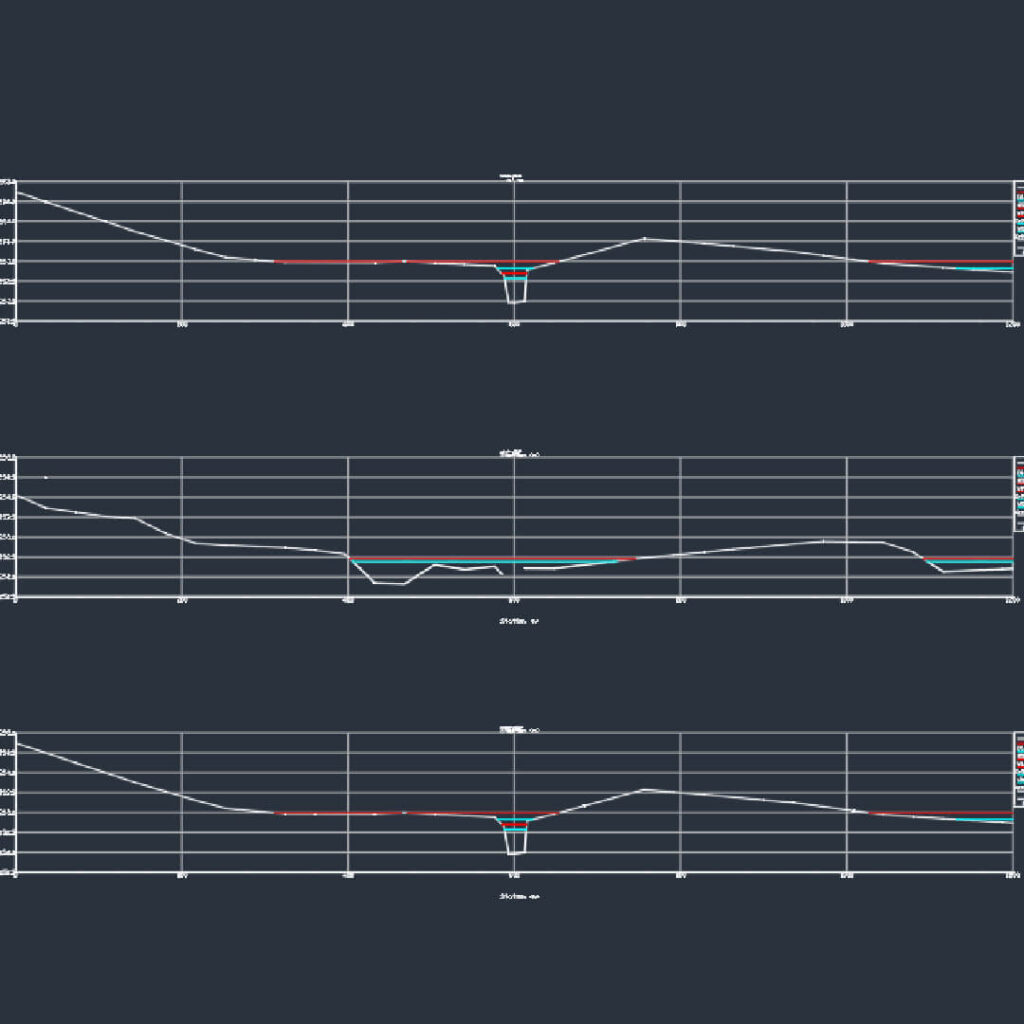
Cross Section

Cross Sections

Accurate cross-sectional profiles for engineering analysis.
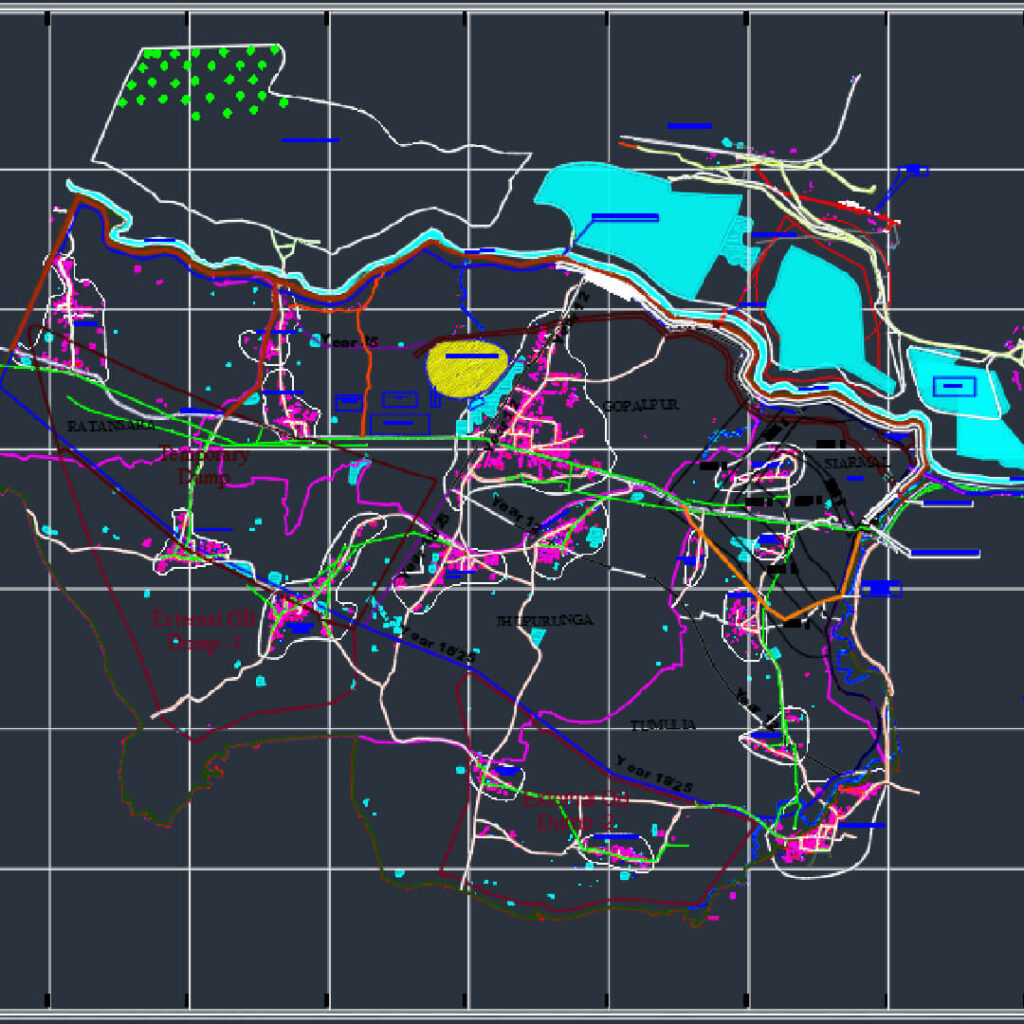
Topographical Map

Topographical Maps

Contour maps and layout plans integrated with DGPS data.

Applications

  • Road & Highway Surveys
  • Boundary Demarcation
  • Ground Control Points (GCP)
  • Topographical Mapping
  • Construction Layout
  • Pipeline Alignment

Frequently Asked Questions

What is the accuracy of a DGPS survey?
A DGPS survey provides survey-grade precision with an accuracy of 1cm to 2cm (horizontal) and 2cm to 5cm (vertical). This is significantly higher than standard handheld GPS, which typically has an error margin of 3-5 meters. At Droid Survair, we use dual-frequency GNSS receivers to ensure centimeter-level precision for engineering projects.
How is DGPS different from standard GPS?
The primary difference lies in Correction Data. While standard GPS relies on satellite signals alone, DGPS uses a stationary Base Station at a known coordinate to calculate signal errors and transmit corrections to a Rover. This process eliminates atmospheric and orbital errors, providing the sub-centimeter accuracy required for professional mapping.
Why are DGPS points (GCPs) essential for drone mapping?
Ground Control Points (GCPs) established via DGPS act as physical "anchors" for drone data. Without these points, a drone map might look correct but can be shifted by several meters in reality. Using DGPS-marked GCPs ensures that your Orthomosaic and 3D Models are geographically perfect and survey-grade.
Do you offer RTK and PPK survey methods?
Yes, Droid Survair utilizes both RTK (Real-Time Kinematic) and PPK (Post-Processed Kinematic) technologies depending on the terrain and project requirements to ensure the most reliable data output.
What are the main deliverables of a DGPS survey?
Depending on project requirements, we provide: Coordinate Lists (Northing, Easting, and Elevation) in .CSV or .XLS format; CAD Files (.DWG or .DXF) for engineering design; Google Earth Files (.KML/.KMZ) for easy visualization; and Control Point Reports containing detailed descriptions of established Benchmarks (TBMs).
Can DGPS surveys be conducted in remote or forested areas?
Yes. Our advanced GNSS equipment supports Multi-Constellation tracking (GPS, GLONASS, Galileo, and BeiDou). This allows us to maintain a strong signal even in challenging environments. For extremely dense forest cover, we often combine DGPS with Static Survey methods to ensure zero compromise on accuracy.

Get Accurate Benchmarking

Ensure your project starts on the right coordinates.

Request a DGPS Quote
Up Next

Drone Mapping

Go beyond ground points. See how we transform survey data into high-resolution 2D & 3D maps.

Explore